Tagwood Display Font for Rustic Craft & Handmade Branding
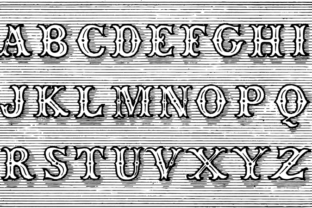
If you’re a maker who sells physical products, digital printables, or custom designs—especially with a vintage, farmhouse, or artisanal aesthetic—you’ll instantly recognize the quiet power of Tagwood. This Display font isn’t just decorative; it’s a tactile echo of Victorian-era wood type—rough-hewn, warmly imperfect, and full of character. As a Fonts choice for crafters, Tagwood bridges authenticity and legibility in ways few display fonts do. It’s not meant for paragraphs—but for moments that stop scrolling, draw eyes to a shelf label, or make a wedding guest feel welcomed before they even step inside.
Tagwood for Wedding Invitations and Elegant Branding
Tagwood shines brightest when elegance meets earthiness—think hand-calligraphed save-the-dates printed on textured cotton paper, or foil-stamped welcome signs leaning against a barn door. Because Tagwood is a Display font rooted in Victorian rough and rustic wood types, its subtle irregularities (slight uneven baselines, organic stroke contrast, gentle asymmetry) add warmth without sacrificing readability at 36–72 pt sizes. Use it for names, dates, and ceremony locations—never body text—and pair it with a clean serif like Playfair Display or a soft sans like Montserrat for balance. For printable wedding suites sold on Etsy, Tagwood helps your templates stand out in search results for “rustic wedding fonts” and “vintage invitation fonts”—and customers consistently pay more for that handmade authenticity.
Tagwood for Candle Labels and Small-Batch Product Packaging
When your lavender soy candle lives next to five others on a boutique shelf, Tagwood gives it presence. As a Display font, it reads clearly at 14–20 pt on kraft paper labels—even when laser-printed or cut with a Cricut Maker. Its rustic wood-type origins mean thick strokes hold up well during vinyl cutting, and its open letterforms resist filling in during thermal printing. I use Tagwood for front-label titles (“Hearth & Honey,” “Stormwood Cedar”) and pair it with a simple sans-serif for scent notes and ingredients. Bonus: because Tagwood feels tactile and artisanal, shoppers subconsciously associate it with care, quality, and small-batch integrity—key trust signals for handmade Fonts users.
Tagwood for Farmhouse Signs and Wall Art Printables
Whether you're designing SVG files for Silhouette users or selling instant-download wall art on Creative Market, Tagwood delivers immediate mood. Its Victorian rough and rustic wood types influence translates into visual storytelling—no extra textures or overlays needed. A single word like “Gather,” “Bloom,” or “Home” in Tagwood becomes a focal point on a 8×10 printable or a 24×36-inch wooden sign. For best results, use it at 48+ pt, avoid tight letter-spacing, and always test your SVG cut file at 100% scale—Tagwood’s sturdy serifs and generous counters prevent breakage on intricate cuts. As a Display font, it’s built for impact, not subtlety—and that’s exactly what buyers want in farmhouse-style design assets.
Tagwood for Holiday Stickers and Seasonal Digital Downloads
During October and December, demand spikes for “vintage Christmas fonts” and “fall sticker fonts”—and Tagwood fits both searches perfectly. Its rustic wood-type charm reads as nostalgic but never kitschy, making it ideal for pumpkin spice labels, heirloom ornament tags, or printable advent calendars. As a Fonts option, Tagwood works beautifully at 12–18 pt on die-cut stickers (especially matte vinyl), where its slight texture enhances perceived quality. Pro tip: layer Tagwood over a faint parchment texture or subtle grain overlay—not to mask the font, but to deepen its Victorian wood-type roots. And yes—it’s fully compatible with Canva, Cricut Design Space, and Silhouette Studio, so your customers can use it immediately.
Tagwood for Boutique Clothing Tags and Merchandise Designs
Your linen tote bag or organic cotton tee deserves typography that feels intentional—not generic. Tagwood delivers that distinction. As a Display font inspired by Victorian rough and rustic wood types, it adds heritage weight to minimalist apparel branding. Use it for small chest logos (“Field & Folk”), woven hang tags, or screen-printed back-of-neck designs. Because Tagwood avoids extreme thin strokes or delicate terminals, it scales cleanly from 10 pt embroidery to 4-inch iron-on transfers. Just remember: Tagwood is designed for short, high-impact phrases—not full sentences—so keep taglines concise (“Handwoven Since 2021,” “Made With Care”). Pair it with a neutral sans like Lato for care instructions or size charts.
Tagwood Font Pairing Ideas for Printable Planners and Planner Stickers
In the planner community, contrast is currency—and Tagwood is your secret weapon for section headers, habit trackers, and themed monthly covers. As a Display font, it commands attention without overwhelming layouts. Try pairing Tagwood with a friendly handwritten font (like “Quicksand” or “Caveat”) for quotes or affirmations, or with a crisp monospace (like “IBM Plex Mono”) for dated logs. For sticker sheets sold as digital downloads, use Tagwood for bold category titles (“Gratitude,” “Goals,” “Self-Care”) and reserve simpler fonts for checkboxes and input lines. Its Victorian wood-type soul adds warmth to productivity—making your planner feel both purposeful and personal.
Tagwood Commercial License Notes for Sellers and Designers
All Tagwood licenses include full commercial rights—meaning you can use it in client work, sell physical products (candles, mugs, signs), distribute digital downloads (PDF planners, SVG bundles), and even license end-product templates on marketplaces like Etsy or Creative Market. No attribution required. Just ensure you’re using the official Fonts file—never a free knockoff—and avoid modifying the outlines in ways that dilute its Victorian rough and rustic wood types integrity (e.g., extreme condensing or artificial distortion). When your customers see Tagwood, they’re not just seeing a font—they’re sensing craftsmanship. That perception? That’s your pricing power.